Can I Buy a Vending Machine for Personal or Business Use?
January 26, 2026
How Does a Vending Machine Work Step by Step
April 19, 2026
If you own or manage a vending business, learning how to fix a vending machine is one of the most important skills you can have. Whether you search for vending machine repair, vending machine troubleshooting, fixing vending machine issues, repairing a vending machine, or a vending machine maintenance guide, the goal is always the same—get your machine working quickly and avoid losing sales.
You should know how to identify common problems, fix them step by step, and keep your machine running smoothly.
How Do Vending Machines Work?
Knowing how vending machines work helps you to solve problems very fast, whether you have one in your breakroom or own one. Regardless of the different types of vending machines available, they all function similarly. Vending machines are automated concession stands that allow customers to purchase drinks, prepackaged snacks, and even hot meals without the need for an attendant. Vending machines come with different styles and products, ranging from individual snacks to cold bottled drinks and hot coffee. Some vending machines have advertising screens that you can put in different locations to earn more. Coins are the most popular method of payment; many machines accept low-value bills and even have a chip reader for credit card payments.
Here’s a basic explanation of how vending machines operate.
- Vending machines are outfitted with products in rows of separated coils, each with a product code beneath it.
- Customers enter their payment information and the code for the item they want into the keypad.
- After the payment is processed, an electric motor activates the coils in the appropriate row, pushing the item to the bottom. Some vending machines also use an automated picking component to select the item and bring it to the slot.
- Customers take their purchase from the bottom or side slot, then retrieve any change.
How to Fix a Vending Machine
For repairing a vending machine, first identify the basic problem in the system, such as a coin jam, power outage, or stuck product, and then you can perform basic steps such as checking the power supply, resetting the system, cleaning its internal parts, or replacing faulty components of the machine.
What Can Go Wrong With a Vending Machine?
Before you start repairing a vending machine, you need to understand the most common issues.
1. Machine Not Dispensing Products
- Items get stuck
- Motor not rotating
- Delivery chute blocked
2. Coin or Bill Acceptor Not Working
- Coins stuck inside
- Dirty bill acceptor
- Sensor not detecting money
3. Card Reader Not Working
- Payment system offline
- Connection issue
- Software glitch
4. Machine Not Turning On
- Power supply problem
- Loose wiring
- Internal fuse issue
5. Cooling System Failure
- The drinks are not cold
- Compressor not working
- Thermostat issue
These are the most frequent problems you’ll face when fixing vending machine issues.
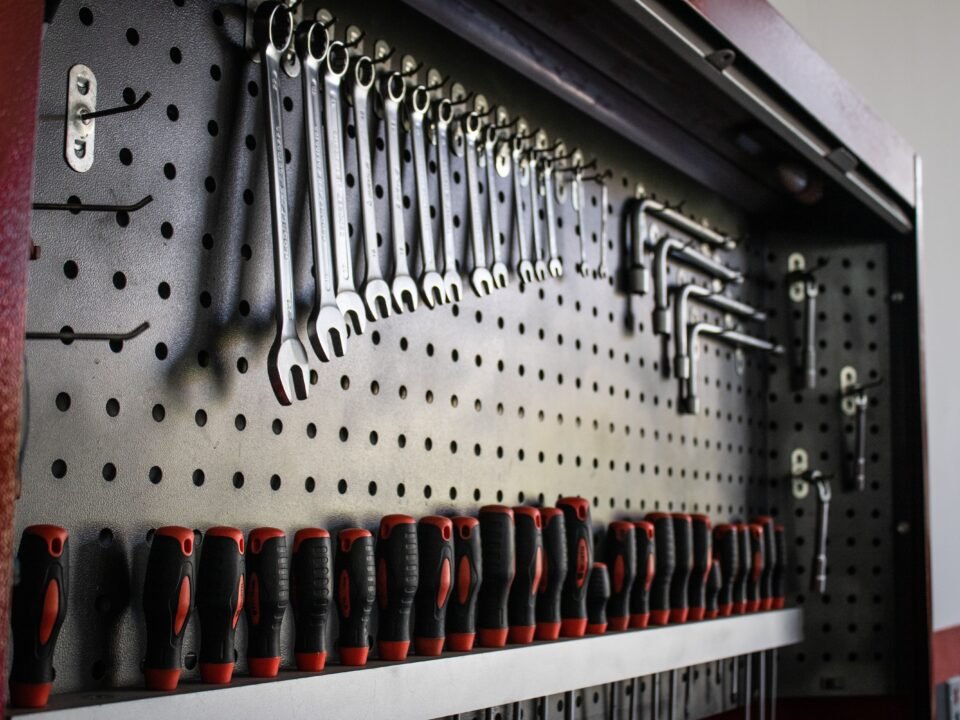
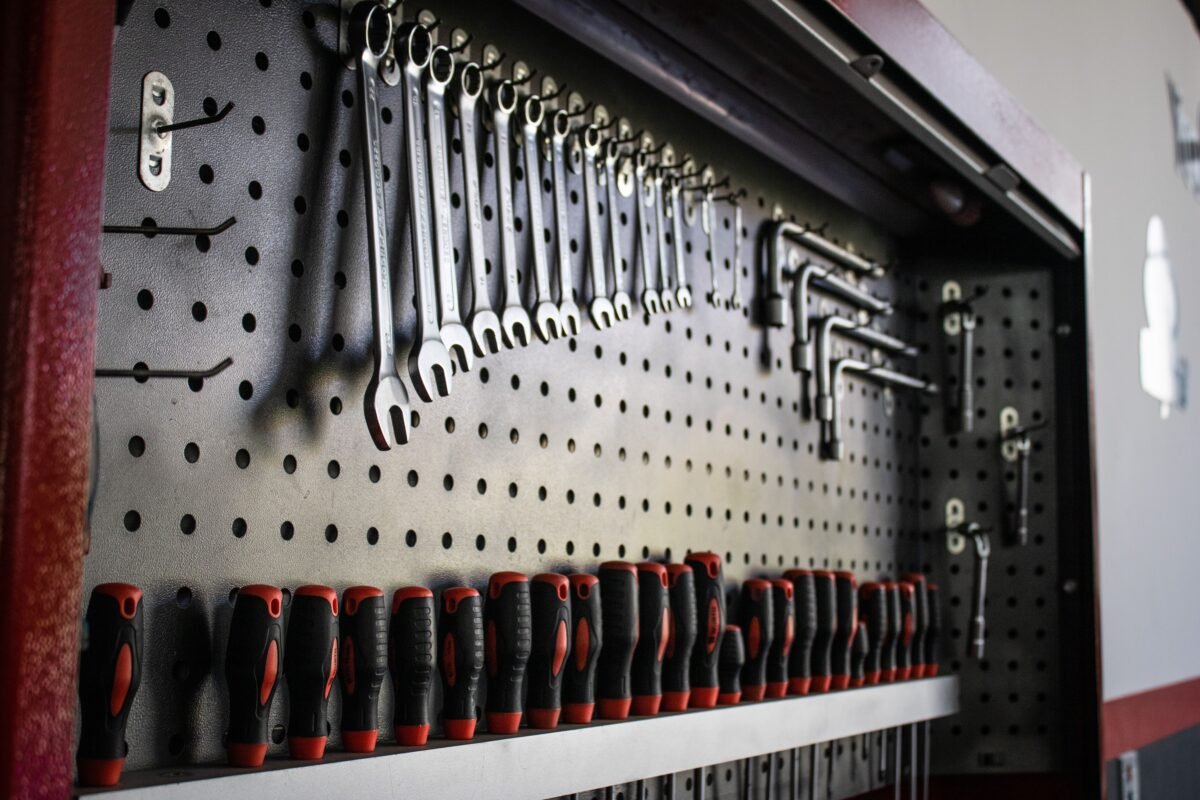
Tools You Need for Vending Machine Repair
Before starting, keep these tools ready:
- Screwdriver
- Multimeter (to check electricity)
- Cleaning cloth
- Replacement parts
- Basic maintenance kit
Having the right tools makes troubleshooting vending machines much easier.
Vending Machine Parts
To properly fix vending machine problems, you should know the basic parts:
- Bill Acceptor—Accepts paper money. If dirty, it may stop working.
- Coin Mechanism: Handles coins. Jams are very common here.
- Control Board- The “brain” of the machine. Controls all operations.
- Vending Motor—Pushes products forward.
- Keypad and display: The keypad allows customers to type item codes to make selections, while the digital display shows prices, accepted payment amounts, and an “out of stock” message when applicable.
- Compressor—Keeps drinks cold.
- Security measures: Vendor locks and other security measures prevent people from taking items without paying for them or stealing money from the machine.
Knowing these parts helps in better vending machine diagnostics.
Step-by-Step Guide to Fix a Vending Machine
Now, let’s go step by step in simple language.
Step 1: Check Power Supply
- Make sure the machine is plugged in
- Check the socket and power cable
- Look for blown fuses
Many vending machine problems are simply power-related.
Step 2: Reset the Machine
- Turn off the machine
- Wait 1–2 minutes
- Turn it back on
Resetting often fixes small software or system errors.
Step 3: Inspect for Product Jams
- Unlock the machine.
- Check if products are stuck
- Adjust items properly
Overfilled or misaligned products cause dispensing issues.
Step 4: Clean Coin and Bill Acceptors
- Remove dust and dirt
- Check for stuck coins
- Clean sensors gently
Payments may not work if the system is dirty.
Step 5: Check the Vending Motor
- Listen for unusual sounds
- See if the motor rotates
- Replace if damaged
A common cause of machines not dispensing items is motor failure.
Step 6: Inspect the Cooling System
- Check if the fan is working
- Look at the compressor
- Adjust the thermostat
This is important for drink machines.
Step 7: Check Wiring and Internal Parts
- Look for loose wires
- Inspect the control board
- Replace damaged parts
Electrical issues require special attention.
Safety Tips Before You Start
When performing vending machine servicing, always follow safety rules:
- Turn off the power before opening the machine
- Avoid touching wet surfaces
- Use proper tools
- Do not force parts
Safety should always come first.
Repair Cost: DIY vs Professional
You can sometimes solve problems on your own, but not always.
DIY Repair
- Cost: $0 – $100
- Good for small problems
Professional Technician
- Cost: $50 – $500
- Needed for complex issues
If the problem is electrical or technical in nature, contact an expert.
Impact of Machine Problems on Business
Ignoring problems can hurt your business:
- Lost sales
- Customer frustration
- Machine downtime
- Bad reputation
Quick vending machine repair ensures a steady income.
Preventive Maintenance Tips
Regular maintenance is the best way to prevent problems.
Simple Maintenance Steps
- Clean the machine weekly
- Check product alignment
- Inspect payment systems
- Test the machine regularly
- Replace damaged parts early
Preventive care helps to keep repair costs down.
Pro Tips for Beginners
If you’re new, follow these tips:
1. Avoid overfilling the machine, which causes jams and damage.
2. Use high-quality products. Cheap items can cause issues.
3. Track Sales Data: Know which items sell quickly.
4. Switch to cashless systems: This improves the customer experience.
5. Learning basic troubleshooting saves time and money.
When to Call a Professional
While many vending machine issues can be resolved with DIY repairs, there are times when it’s best to call a professional. Here are some situations where professional assistance may be necessary:
- Electrical Issues: If you suspect that the machine has electrical problems, such as faulty wiring or a short circuit, it’s best to call a professional electrician to avoid the risk of injury.
- Refrigeration Problems: If your machine’s refrigeration system is not working and basic troubleshooting hasn’t resolved the issue, you may need to call a professional technician who is qualified to handle refrigerants and complex cooling systems.
- Complex Repairs: Some repairs, such as replacing the control board or major components, may require specialized knowledge and tools. If you’re not comfortable performing these repairs yourself, it’s best to seek professional help.
Conclusion:
Fixing a vending machine may appear to be a daunting task, but with the right knowledge and tools, it is much more manageable. You can save time, money, and frustration by understanding the fundamentals, troubleshooting common issues, and putting preventive measures in place. This is the right way to solve your problems.
It is important to note, however, that some vending machine problems may necessitate professional help. If you are unsure or uncomfortable about any repair task, it is best to consult with a qualified technician. They possess the expertise and experience to handle complex repairs and ensure the vending machine operates smoothly.