How to Fix a Vending Machine: A Step-by-Step Guide
April 7, 2026
Vape Vending Machine Business: Cost, Profit & Legal Guide
April 23, 2026
Vending machines are everywhere—in offices, schools, hospitals, and even gyms. But have you ever stopped and wondered, How Does a Vending Machine Work? At first glance, it looks simple: press a button, pay, and get your snack. But behind the simple process of the machine is a smart combination of technology, mechanics, and software working together.
These machines accept coins, bills, and card payments, making transactions easy. The vending machine industry is rapidly expanding, with a global market value. Automated retail solutions today rely heavily on vending machines and micro-markets.
What Are Vending Machines?
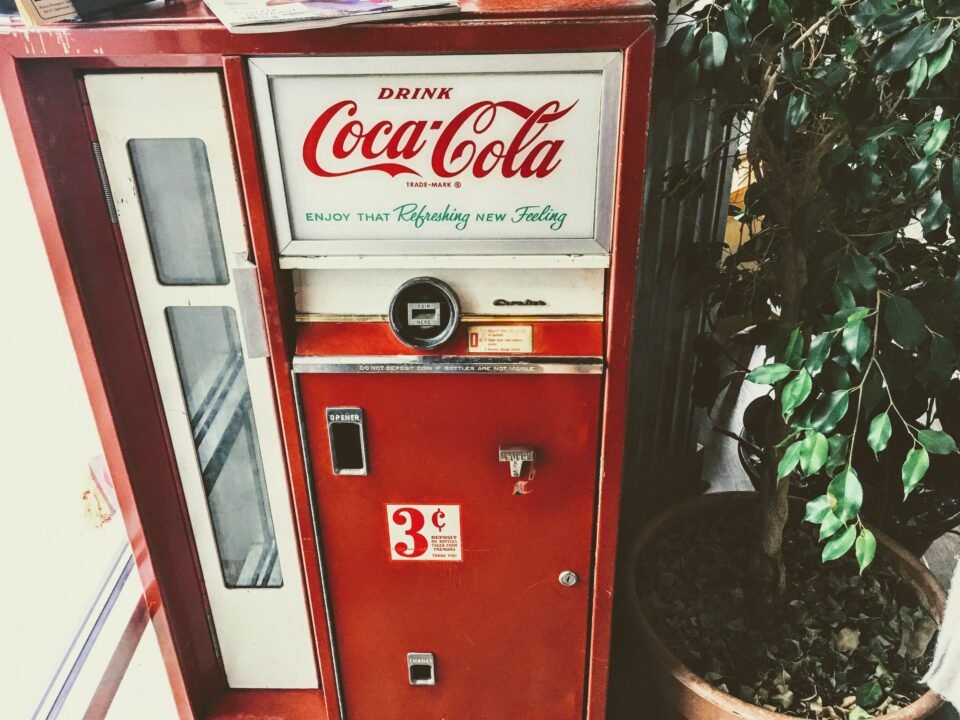
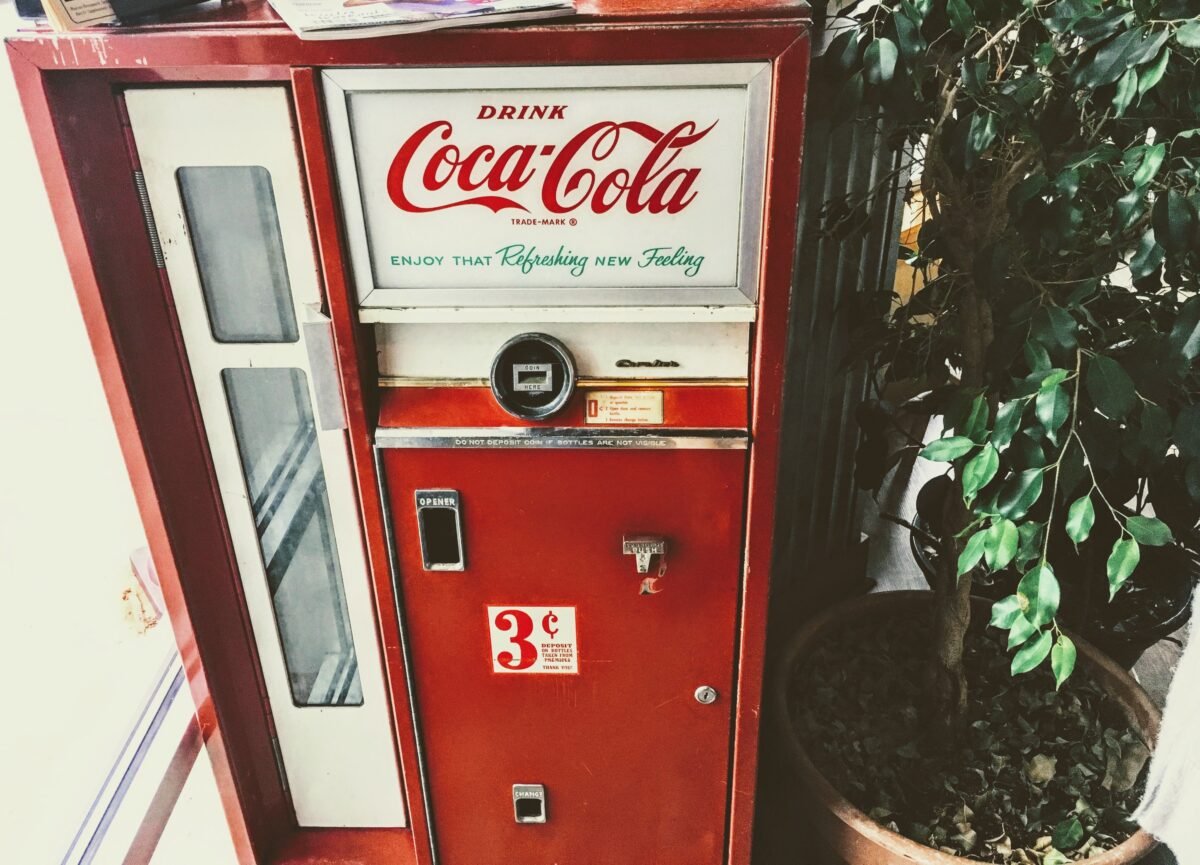
A vending machine is essentially a self-serve store packed into a box—you pick what you want, pay, and it drops right into your hands, no cashier needed. They’ve actually been around longer than most people realize, dating back to the late 1800s. Back then, the idea was pretty simple: give people a way to grab something when the shops were shut. Train stations and post offices were the first places to have them, which made a lot of sense—travelers and daily commuters always needed a quick bite or a drink but didn’t always have the time or the option to step into a store.
The History of Vending Machines
Believe it or not, the story of vending machines doesn’t start in a shopping mall or a subway station — it goes all the way back to ancient Greece, where one clever inventor came up with a solution to an everyday problem. In those early days of modern vending, the focus was less on quality and more on volume — the goal was simply to churn out as many drinks and snacks as possible. Coffee wasn’t the rich, brewed cup we know today; it came out instant, stretched thin with powdered milk and cocoa to produce a handful of hot drink options. And if you were stopping by a machine on your lunch break, there was a decent chance soup was on the menu instead.
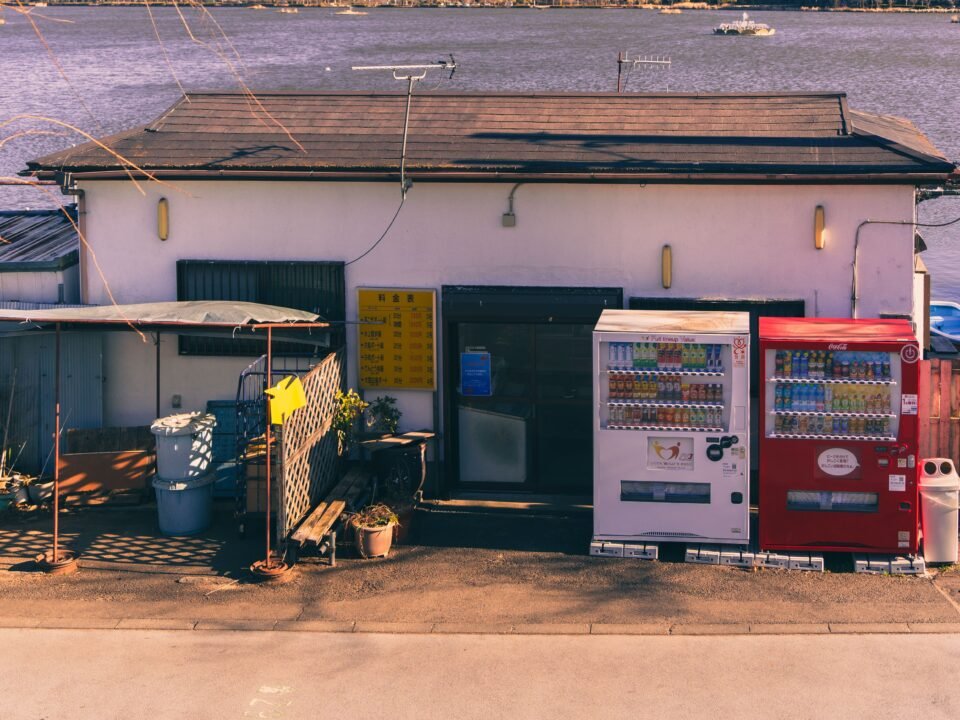
Fast forward to the present day, and vending machines are smarter and better than ever. You can pay for things with cash, credit cards, mobile payments, or prepayment at modern vending machines. from NFC fobs. Smart fridges and micro markets are examples of new technologies that use weighted shelves and camera tracking to keep track of what a customer takes out of a machine.
In the last few years, there has been a push for healthy vending machines. Many companies now offer fresh fruits, nuts, sushi, and other healthy foods, as well as gluten-free, vegan, and vegetarian options. As more and more people in the UK need special diets, this has become more and more popular.
Types of Vending Machines
Fresh Food Vending Machines:
These machines offer fresh and healthy meal options, such as salads, sandwiches, and wraps. They’re a great choice for people who want to grab a quick and nutritious lunch on the go.
Hot Food Vending Machines:
Hot food vending machines have hot meals like pizza, burgers, and even burritos for people who want something a little more filling. These machines use new heating technology to keep food warm and tasty. There are only a few places in the world where you can find them.
PPE Vending Machines:
The COVID-19 pandemic changed a lot of things, and vending machines were no exception. Almost overnight, PPE vending machines started popping up everywhere — dispensing masks, hand sanitizer, and gloves to anyone who needed them. It was a practical fix for an urgent problem: people needed protective gear quickly and reliably, without having to hunt for it. In busy workplaces where large numbers of staff were moving through shared spaces and touching the same surfaces all day, having a machine stocked with protective supplies wasn’t just a convenience — it was a necessity.
Automotive Vending Machines:
In one of the strangest demonstrations of the varied applications for vending machines, you can buy cars from vending machines. These are just a few examples of the many different types of vending machines available on the market today.
Specialized Vending Machines
These machines are designed to meet niche needs or specific industry requirements across different locations. Examples:
- Fresh Produce Machines: Dispense fruits and vegetables in urban areas.
- Flower Machines: Perfect for last-minute gifts or special occasions.
- Pet Supply Machines: Offer pet food, toys, and essentials in parks or near veterinary clinics.
Hybrid Vending Machines
Hybrid vending machines combine multiple functionalities into one system, making them versatile and efficient. Features:
- Offer both snacks and beverages.
- Include digital screens for advertisements.
- Support a number of payment methods, including cashless ones like QR codes and Soft POS.
What components make a vending machine work?
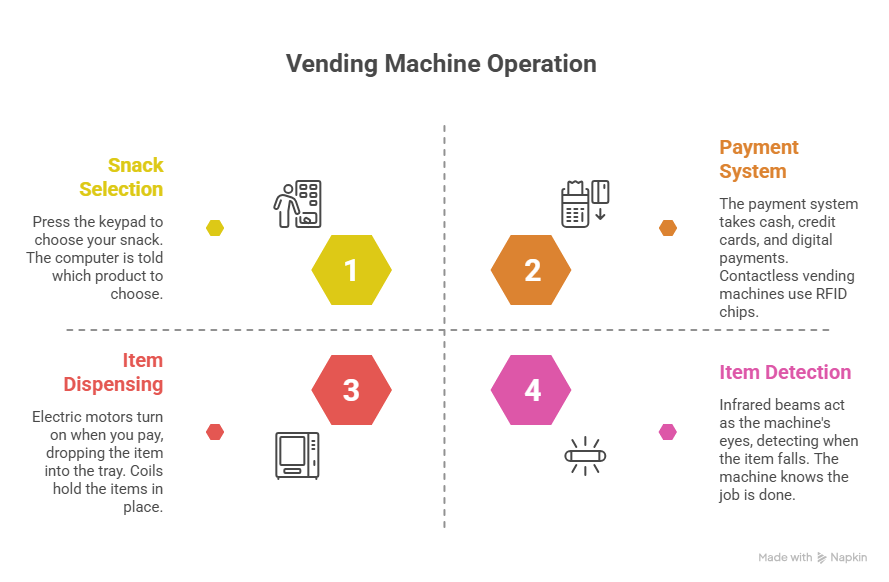
Keypad:
The first thing you need to do is press the keypad to choose which snack you want from the machine. Once the choice is made, the computer is told which product to choose.
Payment system:
The payment system comes next. It takes different kinds of payments, such as cash, credit cards, and digital payments. You don’t have to worry about carrying change around to get a snack anymore because contactless vending machines are becoming more popular. Your contactless card’s RFID chip just talks to the machine’s contactless receiver. It waits for confirmation of acceptance before vending the item and charging the right amount to the card.
Refrigeration:
After you pick out your item and pay for it, it’s up to the refrigerator that has been keeping the drinks or snacks cold and fresh to do something. Most vending machines use coils to hold the items in place. Electric motors turn on when you pay, and they drop the item into the tray.
Tray:
Almost there — your snack is just one step away! The last thing standing between you and your treat is the tray, which is actually the most complex part of the whole machine. Running along the bottom is a line of infrared beams that act as the machine’s eyes. The machine knows the job is done when the item you chose falls off the shelf and through the beams. The transaction was successful, and the snack was delivered. But if your money has already been taken and those beams haven’t been triggered? The machine figures out that something is still stuck up on the shelf and gives the coil another spin to nudge it loose.
How Coin-Read Money Machines
- Coin machines check each coin’s thickness, diameter, and metal composition. Anything that doesn’t match? It gets rejected.
- Bills Optical sensors scan for watermarks, magnetic ink, and security patterns. Worn or crumpled notes are often refused.
- Cards & Contactless Chip cards are read on insertion, while contactless cards and mobile wallets like Apple Pay use RFID technology. Payment details are encrypted and sent to your bank for instant approval.
- The Bottom Line: Whether it’s coins, cash, or a quick tap of your phone—vending machines verify everything before your snack drops.
Complete Working Process of a Vending Machine: Front-End to Smart Systems

Front-End User Experience (Press, Pay, Pick-Up)
- The process begins when a customer chooses a product via buttons or a touchscreen.
- The machine accepts cash, coins, cards, and mobile wallets as payment.
- After receiving payment, the machine processes the request and prepares to deliver the item.
Payment System and Verification
- Modern machines use coin mechanisms, bill validators, and card readers.
- They use sensors, magnetic ink detection, and digital processing to verify money.
- When payment is received, the system sends a signal to release the product.
Mechanism for selecting and dispensing products
- After selection, internal motors activate to release the chosen product.
- Spiral coils, robotic arms, or conveyors move the item forward.
- The product is delivered to the pickup area, where it is collected by the customer.
Internal Mechanics and Machine Operation
- Each item is stored in a specific slot inside the machine.
- Motors and mechanical parts collaborate to ensure that products are delivered efficiently.
- Refrigeration or heating systems keep products at the proper temperature.
Sensors and Inventory Tracking
- Sensors detect product availability and successful delivery.
- The system tracks every sale and updates stock levels automatically.
- This helps operators know when items are low or out of stock.
Software and Control System (Machine Brain)
- The control board is in charge of all the machine’s functions and operations.
- Software connects payment, selection, and dispensing processes.
- It also keeps track of machine performance and sales data.
Internet Connectivity and Smart Features
- Modern machines connect to the internet using smart technology.
- Operators can monitor sales, stock, and machine status remotely.
- Features like NFC and QR payments improve speed and convenience.
Restocking and Maintenance Process
- Operators receive alerts when products need refilling.
- Data that shows exactly what products are needed makes restocking easier.
- Maintenance ensures the machine works properly and avoids downtime.
Security and Safety Systems
- To keep customer data safe, machines use secure payment systems.
- Physical locks, sensors, and cameras help prevent theft.
- Advanced systems can send alerts and allow operators to monitor them remotely for safety.
How Does a Smart Vending Machine Work?
Because they’re always connected to the internet, smart vending machines are constantly sending and receiving data — think of them as always being “switched on.” Touchscreens and AI make the whole experience feel less like using a machine and more like browsing a store, tailoring options to whoever is standing in front of it. Sensors quietly keep tabs on stock levels behind the scenes, nudging operators before anything actually runs out. Some machines even use cameras and facial recognition to pick up on a customer’s age or mood and suggest something they might actually want. The system logs every payment—whether it’s a card tap, a phone, or cash—the moment it happens, creating a constant stream of data.
Frequently Asked Questions (FAQs)
Yes, they do! Sensors make sure that things run smoothly. Cameras are becoming more common in vending machines for security and quality control, even though they are not as common. For example:
Security Cameras: To deter vandalism or theft.
Inventory Monitoring: High-tech machines might use cameras to determine stock levels and send alerts for restocking.
Payment Verification: Some machines use cameras to capture images of bills for enhanced payment security.
You put in your money, choose your drink, and just like that the machine quietly gets to work — a coil spins, a mechanism nudges your bottle or can forward, and a few seconds later it lands in the slot waiting for you. It feels almost too simple, but there’s actually a whole lot going on under the hood, with sensors, motors, and payment readers all pulling together in the background just to get that one drink into your hands.