Most Popular Snacks and Drinks for Vending Machines
October 19, 2025
Airport Vending Machines: A Complete Guide for Travellers
December 5, 2025
What is a vending machine business?
A vending machine operator is a business owner who runs the vending machine company. A vending machine operator buys one or more vending machines and sets up some locations to put them, and negotiates with property owners. He also restocks the machine by hiring employees for this process.
How profitable is a vending machine business? It really depends on what you want out of it. You don’t have to turn it into a full-time job — it can also be a great side hustle that brings in extra income. While you might use a small business loan or credit card to cover startup costs, you don’t need a huge budget to begin. Starting with a refurbished machine or even just one vending unit can help you keep expenses low while seeing how profitable a vending machine business can become over time.
Types of vending machine businesses
You don’t have to stick to selling soda if that’s not your thing — there are plenty of other options. While drink vending machines are still among the most profitable, there are many different types of vending businesses you can explore. The four main categories include:
- Food and beverage vending
- Bulk vending
- Specialty vending
- Franchised vending
Before deciding which path to take, it’s a good idea to research the challenges that come with each type. Starting with one category can make things simpler, helping you learn faster and grow your business more smoothly. The products you plan to sell will also determine the kind of machine you need — for instance, some items require refrigeration and electricity, while others only need coins and a simple turn of the knob. We’ll explain each vending machine business type in more detail in the next section.
Vending machine business ideas
Do you know how profitable a vending machine business is? It really depends on choosing something easy for you to handle, sells well in your area, and fits your budget. Don’t be afraid to think outside the box. For example, a company called SouveNEAR sells locally made gifts through vending machines in airports and travel centers — a fun and creative idea that works perfectly for travelers. Just keep in mind that stocking your machine costs money, so make sure you are ready to cover restocking expenses as your business grows.
Snacks, Food, or Beverage Vending
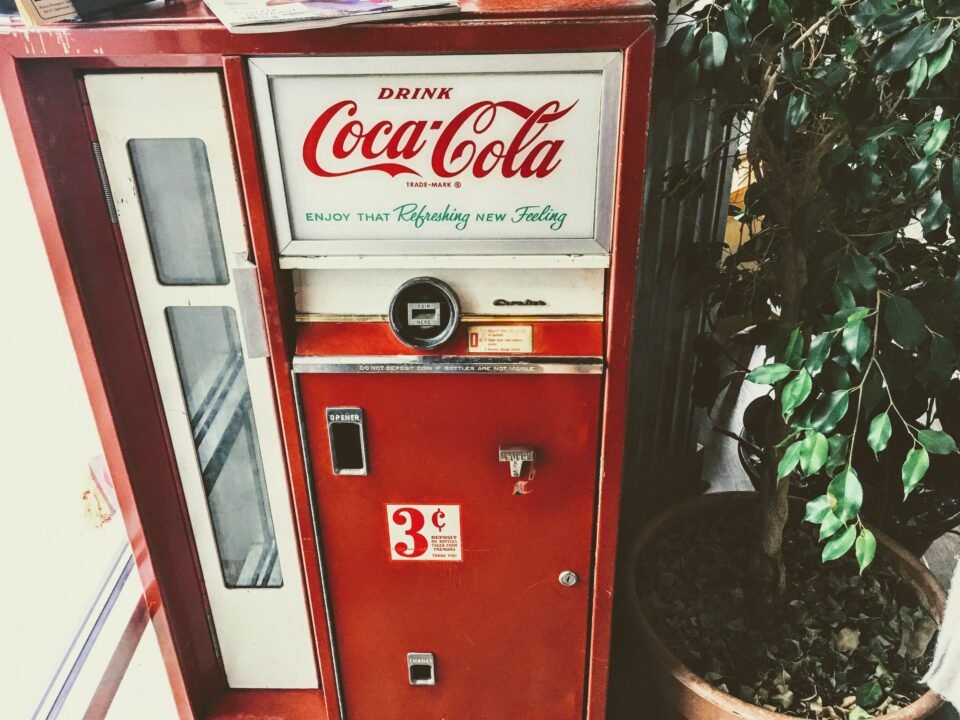
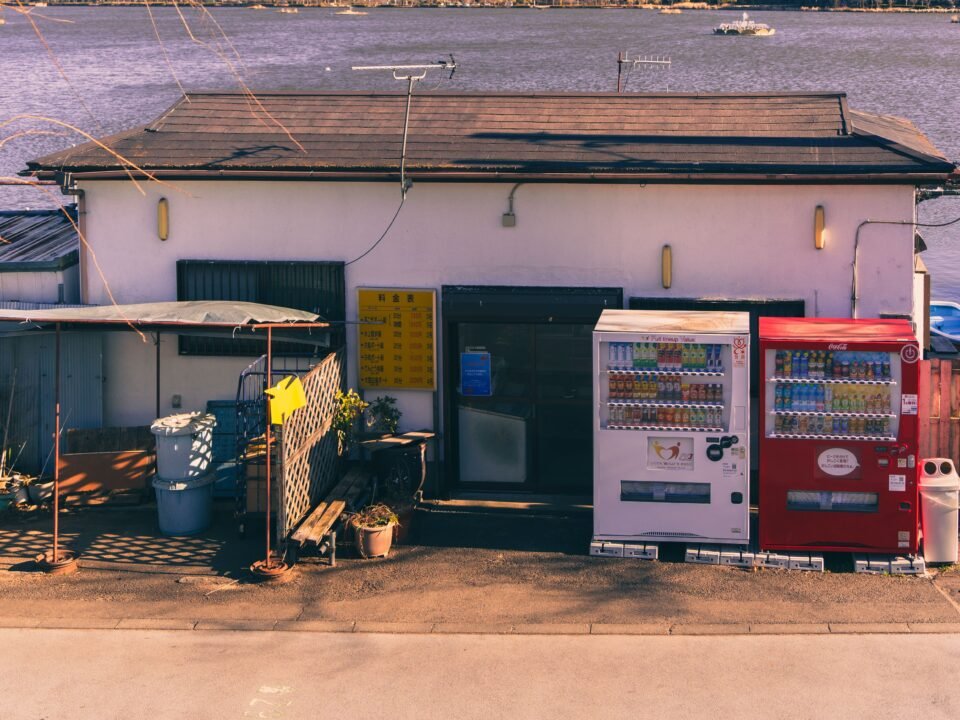
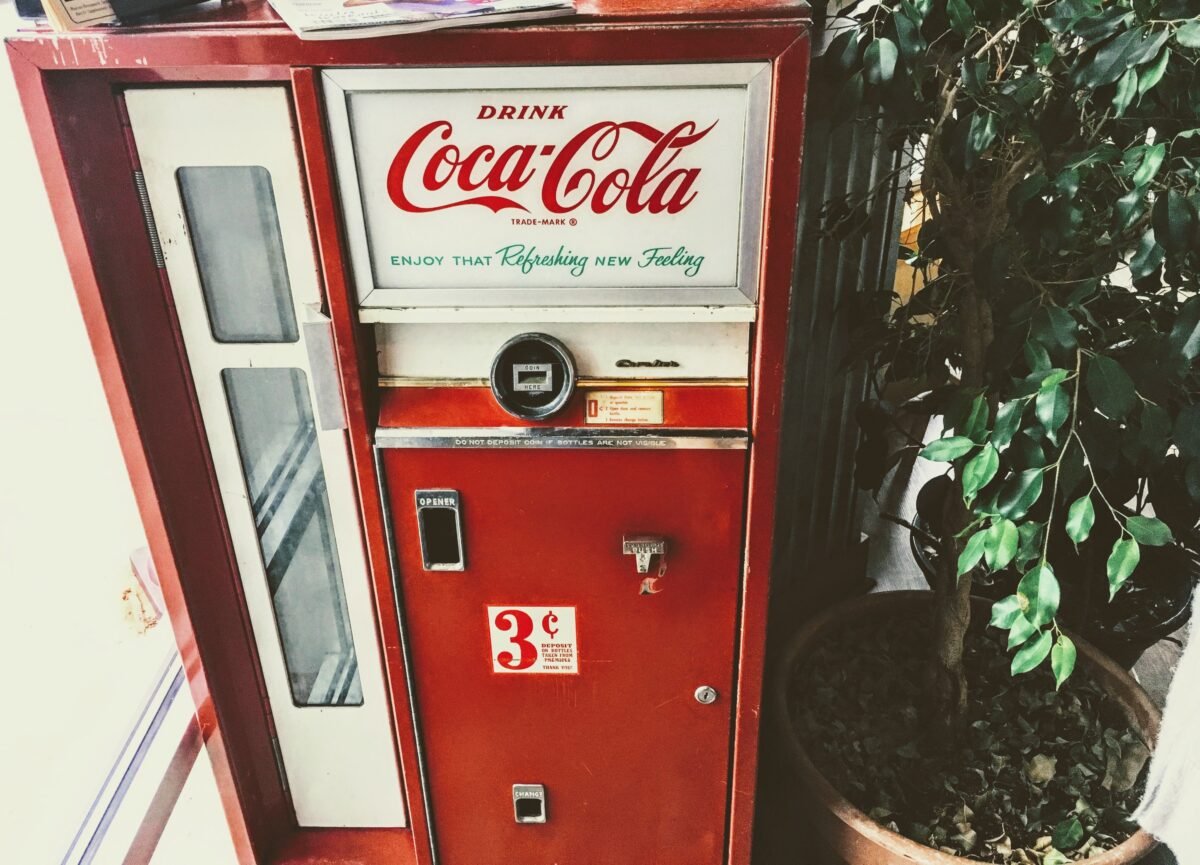
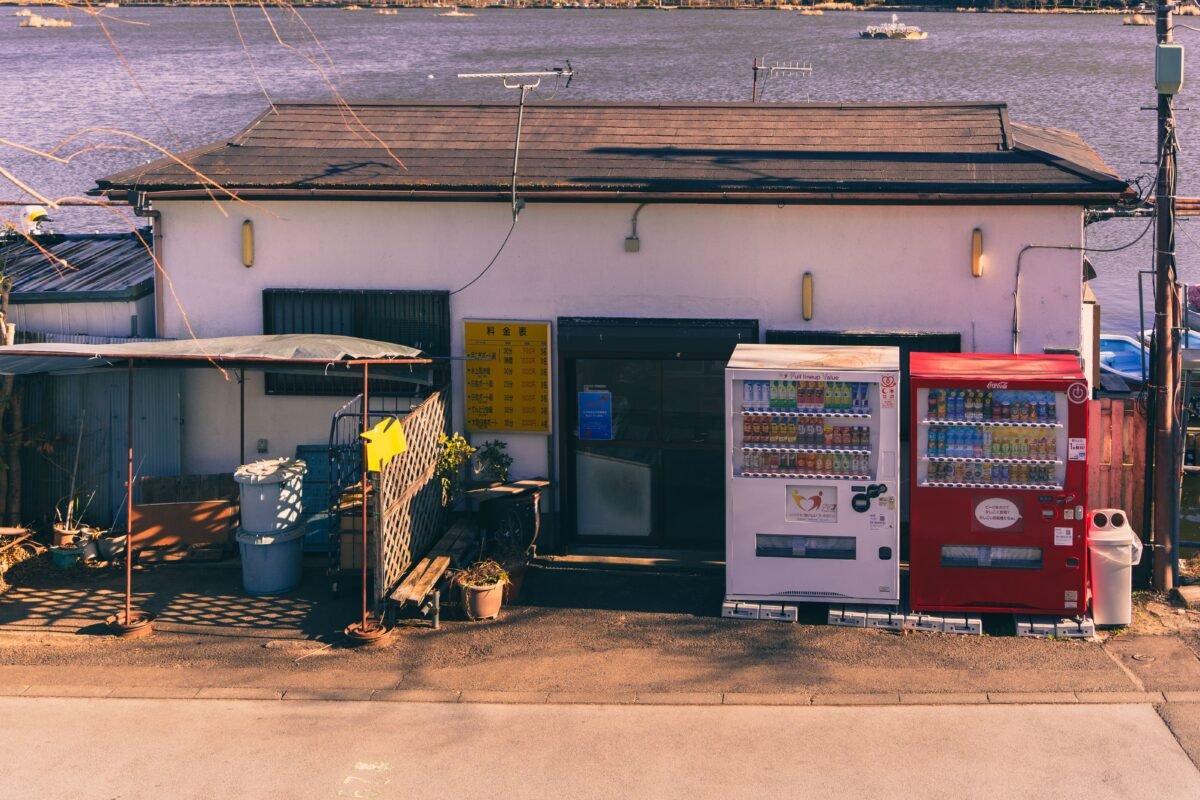
Many vending machines sell drinks or food. For beverage vending machines, you can choose to partner with and sell a specific brand, like Coca-Cola. Or you can stock it with what you want to sell. It’s best to choose drinks only or snacks only in the beginning to limit the amount of education you need from the start.
With food or snack vending machines, you also have options on what you can sell. For example, placing a healthy snacks vending machine in a private gym might be a success. As long as you do your market research and place the machine in the right location, it has a good chance of creating income.
Bulk vending
Some stocks are very easy to have in vending machines, which do not need to be refrigerated. These are affordable in bulk vending items like toys, stickers, or gumballs. You have to worry about electricity and you stock these items for a long time.
Specialty vending
Specialty vending machines can sell all kinds of products. You could offer local gifts, phone chargers, or laundry items in places like laundromats or dorms. Another good idea is a coffee or hot chocolate vending machine. These types of machines might be a little harder to manage when you’re just starting out, but with some effort and planning, they can still be a great way to grow your vending business.
Get into a franchise
It is a better option to franchise a vending business than to start a new business. It gets the support and training you need to get started easily with a proven business model. Here, you have to give some of your earnings to the franchiser.
Pros and cons of owning a vending business
There are advantages and disadvantages to starting any business. Here’s a breakdown of what to think about before starting your own vending machine business.
Pros of Starting a Vending Business
- Low startup and overhead costs
- Scalable
- Potential for high profit
- Doesn’t require a lot of time
- Can be passive income
Cons of Starting a Vending Business
- Takes quite a few machines to become highly profitable
- Requires you to track stock
- The machines may require maintenance
- Have to consider vandalism and theft
How profitable is owning a vending machine?
The profit margin of your vending machine depends on the type of vending machine, location and cost of inventry. It is very important to put your vending machine in a high traffic area, to make more money to be successful.
The number of machines you operates is very important. Each machine brings in between $5 and $100 per week, on average. You might only be making $20 per month on a single vending machine, but remember that it’s passive income. If your business has many vending machines, you’ll have a lot more work on your plate — but also the potential to make up to $400 per month on average on every one.
How much is a vending machine business?
The startup cost for a vending machine business can based on several factors — such as the type and number of machines, the products you want to offer, place to place them, and other related expenses. Below are some important things to keep in mind when calculating how much it may cost to start your vending machine business.
Initial investment:
The amount you spend to buy your vending machines can vary a lot. Depending on the type and features, each machine might cost anywhere from a few hundred to several thousand dollars.
Inventory:
You’ll need to stock your machines with products, The cost will depend on what you are selling and how much you need. You should choose the products that mostly people buy.
Location fees:
If you place your machines in busy spots, you might have to pay rent or a commission to the property owner. This can be a monthly revenue.
Maintenance and repairs:
Vending machines need regular cleaning, restocking, and occasional repairs.
Transportation and installation:
If your machines are large or heavy, you may need to pay for delivery and setups.
Permits and licenses:
Some places require special permits or licenses to operate vending machines on that areas. The cost and rules can vary depending on where you live.
Insurance:
Having insurance protects your business and machines in case of damage, theft, or other unexpected problems.
Marketing and promotions:
To get more people to use your machines, you may want to spend a bit on advertising or local promotions.