
Gym Vending Machine Business: Costs, Profits, and Setup Guide
June 18, 2026
Custom Made Vending Machines: Build a Vending Solution That Fits Your Business
July 13, 2026
Starting a vending business can be exciting, but success often depends on one factor more than any other: location. Many new operators buy quality equipment, stock popular products, and price competitively but still struggle for the same reason: They choose the wrong spot. If you really want to know where to place a vending machine, it is very important to know the customer behavior, foot traffic, and site accessibility can help you make better decisions from day one.
Why Location Matters More Than the Machine
A modern machine with cashless payment options and a great product mix won’t do well if people don’t walk by it very often. Conversely, a basic machine in a high-traffic location can produce steady sales.
Strong locations usually have:
- High foot traffic
- Regular daily visitors
- Easy access
- Visible placement
- Limited nearby food and drink options
- Customers who spend time waiting
Research traffic patterns and customer demand before approaching a property owner or facility manager. Doing a little research can save you from expensive mistakes later on.
Where to Place a Vending Machine for Maximum Profit
The most profitable locations often share one thing in common: people spend time there and need convenient access to snacks or drinks.
Apartment Complexes
Apartment complexes can provide reliable sales throughout the year. Residents appreciate the convenience of being able to get drinks, snacks, and everyday items without having to leave the property.
Large communities with hundreds of residents often perform better than smaller buildings. “Work with property managers to find areas that have the greatest visibility.
Office Buildings
Office buildings remain one of the most dependable vending locations. Between meetings or during a break, employees often need a quick pick-me-up.
Look for buildings with:
- Large employee counts
- Shared break rooms
- Limited nearby food options
- Extended operating hours
Gyms and Fitness Centers
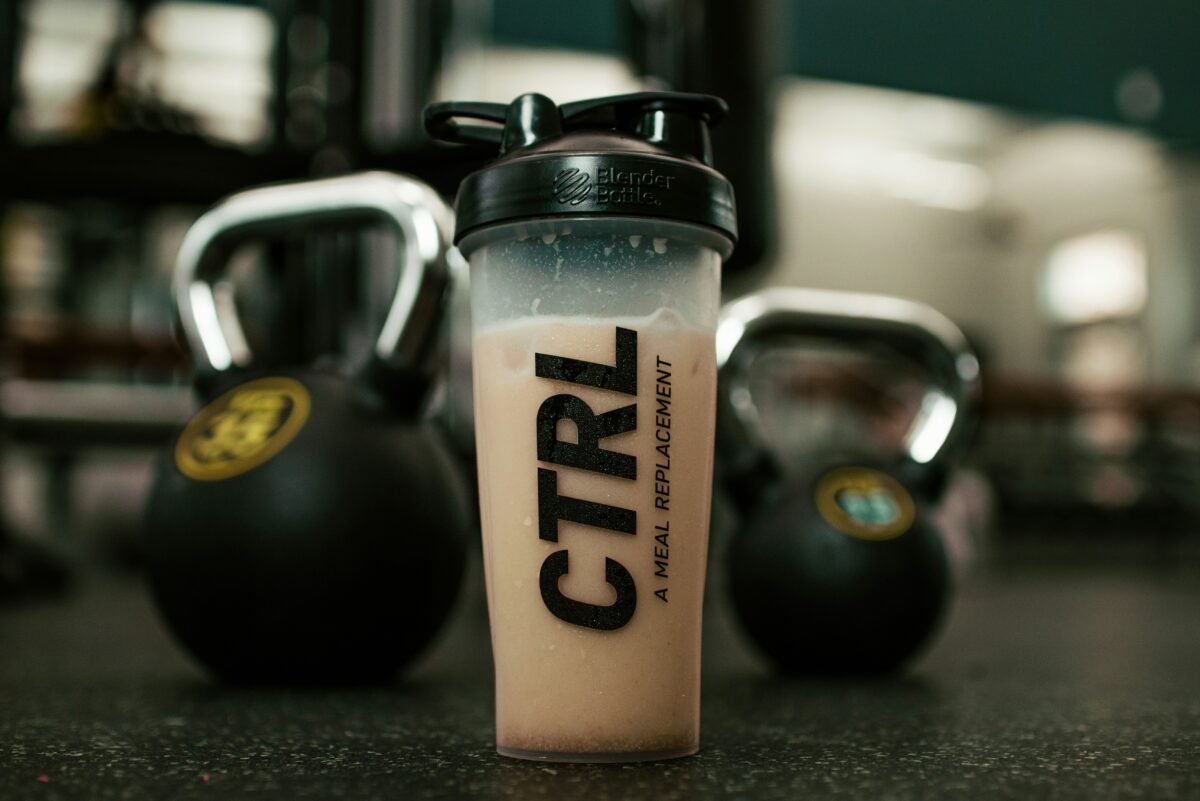
Gyms have customers who often buy bottled water, sports drinks, protein snacks, and healthy products.
A healthy vending machine often performs well in these environments because it aligns with member preferences.
Hotels and Motels
Guests frequently look for quick snacks and drinks, especially during evenings when nearby stores may be closed.
Hotels with high occupancy rates and extended guest stays can be excellent partners for vending operators.
Hospitals and Medical Centers
Hospitals are open 24 hours a day and serve patients, visitors, and staff. Waiting areas, staff lounges, and visitor areas often provide excellent opportunities for snack and beverage sales.
Schools, Colleges, and Universities
Students frequently purchase drinks and snacks between classes. Always check local rules, vendor permits, and school policies before placing equipment on educational properties.
Laundromats
Laundromat customers spend significant time waiting. Many purchase refreshments during that waiting period. Even a single machine can generate steady revenue in a busy facility.
Manufacturing Facilities
Factories and manufacturing plants often employ large numbers of workers across multiple shifts. Break rooms and employee gathering areas can help drive sales throughout the day.
Warehouses
Many warehouse workers like having easy access to beverages and snacks without having to leave the warehouse. Locations operating around the clock may provide additional revenue opportunities.
Shopping Centers
Shopping centers bring together shoppers, retail workers and visitors. Look for areas near entrances, seating sections, or common gathering spaces.
Grocery Stores
Grocery stores already sell foods and drinks but vending machines can still do well at entrances or exits or customer waiting areas.
Convenience Stores
Some convenience stores allow vending machines that offer specialty products or beverages not commonly stocked inside the store.
Airports, Bus Stations, and Train Stations
Transportation hubs attract travelers throughout the day. These places are attractive for beverage and snack sales since travelers often look to make quick purchases.
Automobile Dealers; Automobile Repair Shops
When customers are waiting for their vehicle to be serviced, they often purchase drinks and snacks. Waiting lounges often provide ideal placement opportunities.
Recreation Centers and Sports Complexes
Sports facilities attract athletes, families and spectators who often need refreshments during games and events. These venues can generate strong sales during weekends and tournaments.
What Makes a Location Profitable?
Successful operators evaluate more than just foot traffic.
Consider:
- Daily visitor count
- Customer demographics
- Parking availability
- Visibility
- Accessibility
- Product demand
- Operating hours
- Nearby competition
A less busy location may have a higher purchase intent and do better than a busier one with little interest from customers.
How to Get Permission for Placement
The property owners dealing with the business owner or building manager, they expect a professional approach.
- You can explain the benefits to customers and employees
- Also discuss maintenance and restocking schedules
- Provide proof of insurance if required
- Present a clear placement agreement
- Discuss revenue sharing or commission agreements when appropriate
It will make trust between them.
Smart Vending Machines and Digital Technology
Many operators now use smart vending machines that provide inventory tracking, sales reporting, and remote monitoring.
Digital vending machines can also support advertising opportunities through display screens. This additional revenue stream may improve overall return on investment.
Cashless payment systems have become especially important. Many customers prefer to use cards and payments instead of using cash; that’s why it is important.
Common Placement Mistakes
The operators, who are new in this vending business, make some mistakes.
Common examples include:
- They choose locations with low foot traffic
- Ignoring customer demographics
- They are failed to secure written agreements
- Stocking products customers do not want
- Also neglecting machine maintenance
- Overlooking accessibility and visibility
Avoiding these issues can improve both sales and customer satisfaction.
Should You Use a Placement Service?
It can take time to find the best location in high-traffic areas. Many operators choose placement services because they already have experience evaluating traffic flow, customer demand, and site potential. They help them to choose the best place to put their vending machines to get more revenue.
Final Thoughts
Choosing the right location has a greater impact on success than almost any other decision. By focusing on customer demand, visibility, accessibility, and traffic patterns, operators can improve revenue and build stronger partnerships. Whether you are targeting office buildings, hospitals, gyms, hotels or apartment complexes. Understanding where to place a vending machine can help turn an average location into a profitable asset.
Frequently Asked Questions (FAQs)
No. Most locations require permission from the property owner, business owner, or facility manager before installation. You have to get permissions for this .
There is no fixed number, but locations with consistent daily visitors generally perform better than areas with occasional traffic.
Bottled water, soft drinks, energy drinks, chips, candy, protein snacks, and convenience items often perform well. Product selection should match local customer demand.
Some request a commission agreement or revenue-sharing arrangement, while others allow placement as a convenience for customers and employees.
Yes. Large apartment communities can generate consistent sales because residents are using the property on a daily basis.
First, scope out places where lots of people pass through every day — think office buildings, apartments, gyms, hotels, hospitals, or laundromats. These are spots where folks are always looking for a snack or something to drink. Once you find a good spot, talk to the owner or manager and let them know how a vending machine could actually help them out. Then just get something in writing — a simple agreement — before you bring your machine in and set it up.