
Benefits of Smart Cooler Vending Machines for Your Location
September 17, 2025
Why Automatic Products Vending Machine Is Ideal For Workspaces
October 6, 2025
Running a vending machine business is profitable, but there is a risk in every step—especially when it comes to security. One of the most overlooked yet crucial factors in protecting your investment is understanding vending machine key types. The type of key you use doesn’t just open doors; it determines how safe your cash, products, and vending machines remain from theft or tampering. Both the vending machine keys and the locks they open are essential for vending machine security. Whether you’re managing one machine or hundreds, keeping your machines secure with a reliable lock and key system is essential.
Let’s take a look at the vending machine key types that secure the many types of food products that are inside a vending machine, why it’s so great for this purpose, and its advantages and disadvantages.
Why Security is Crucial for Vending Machines
As vending machines are located in public places, it is easy for thieves to steal the products or cash. Protecting your assets starts with selecting the right vending machine keys and locks. Without proper security, thieves could easily open your machines and steal the contents or even the cash inside. This is why a well-chosen lock and key for a digital or smart vending machine is vital for your business.
Market Trends of Vending Machine Keys
The market for vending machine keys is closely tied to the overall vending machine industry, which is growing worldwide thanks to rising demand for automation, city living, and a wider range of products. While exact market numbers for keys and locks are usually included under bigger categories like security hardware or vending equipment, the growth is steady. Experts predict a healthy yearly growth rate, as vending machines are now being used not only for snacks and drinks but also for electronics, medicines, and even fresh food.
Technology is both helpful and challenging. Electronic systems give better features, but they also make things more complicated and costly. However, the market is still moving toward combining both options, where vending lock systems are used as a backup or as part of a mixed security setup. New smart lock technologies, which allow remote access tracking and control, are now starting to shape the premium side of the market.
Are All Vending Machine Keys the Same?
The most important thing to understand is that there isn’t one single key that can open every vending machine. For security reasons, each machine has its own unique key design. These machines use locks that only open with a key that matches their specific “key code.” A key code is what makes one key different from another. This means no key exists that can work with all vending machines. There are several types of vending machine lock-and-key combos, and even within a specific category.
What Vending Machine Key Types Are There?
There are multiple types of vending machine locks, and different types of vending machine keys to go along with those locks. The most common vending machine key types are tubular/barrel keys and flat keys.
Tubular locks
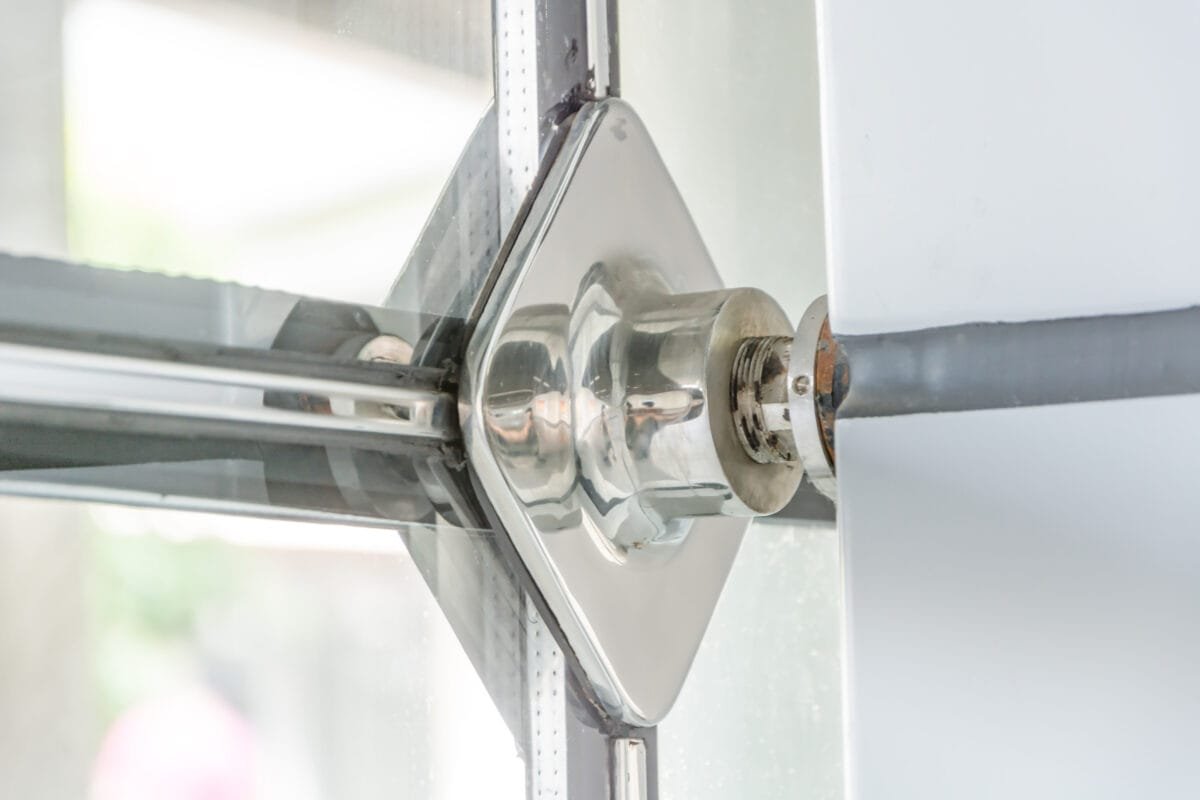
Tubular keys are designed with a round shaft that has small grooves cut into one end. When the key is turned, these grooves move the matching pins inside the lock, which unlocks the automated dispenser. Because these locks use many different grooves and pins, it’s very difficult for someone to copy or pick them. A tubular lock has its pins placed all around the cylinder plug. When you turn your key to open the door, its shapes match the pins, allowing them to release the lock.
Flat locks
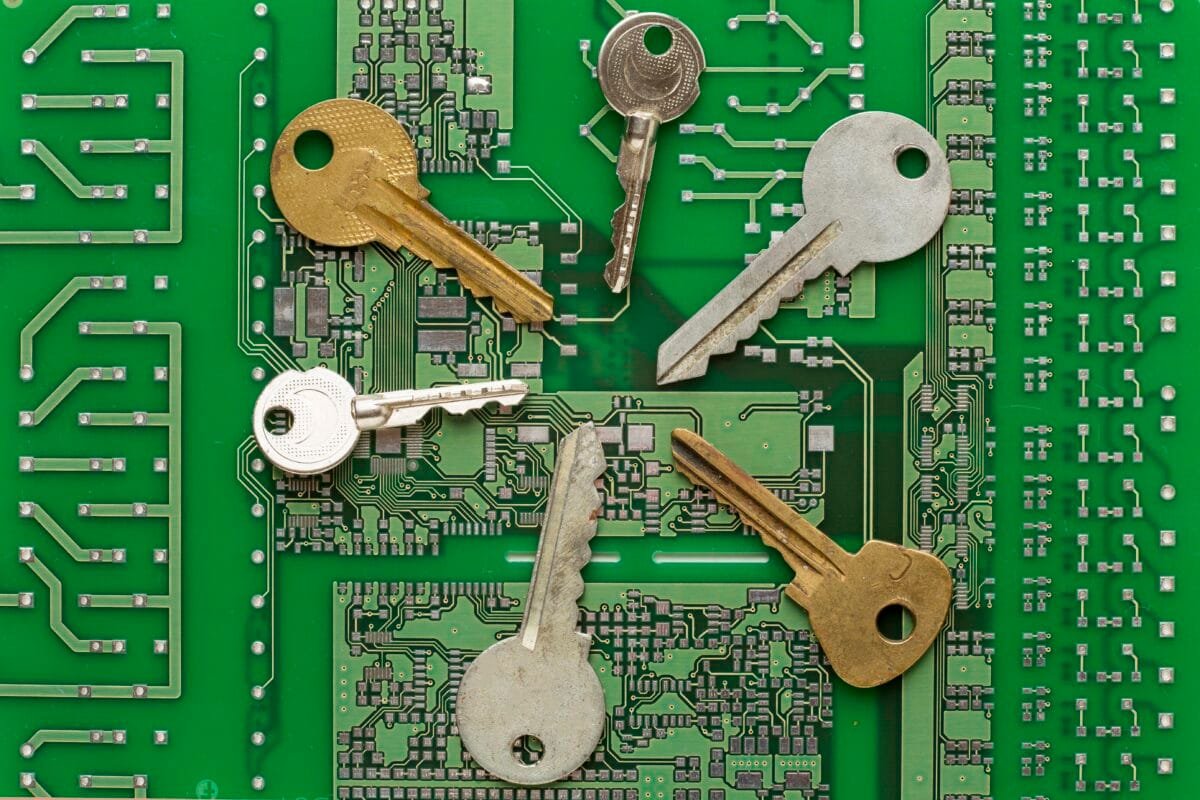
Flat locks for vending machines are very similar to the locks you see on house doors, bike locks, or lockers. This key type has small teeth cut into one or both sidesof the key, and these teeth line up with the pins inside the lock by which it can open. It is more secure due to the teeth on both sides of the key.
The flat keys there is a special code, which helps the owner. By using code, noone can use copy of the key. You can use the same code on different vending machines.
Barrel key
A third type of lock that may be found on a vending machine is called a screw lock. However, screw locks aren’t very common. Rather than a corresponding screw key, these locks are instead opened by a flathead screwdriver. Since anyone in the general public can gain access to the vending machine with their own screwdriver, this type of lock and key system is the most vulnerable to outside attack.
What Locks Do Most Vending Machines Use?
The most common type of lock to encounter in vending machines is a tubular lock. Tubular lock falls into the category of incredibly secure vending machine locks because they require tubular keys and are much more difficult to pick than a traditional lock that you’d find on a house door. Tubular keys can also be used as master keys if the locks on multiple vending machines are similar enough, allowing vending machine owners the convenience of only carrying one vending machine key around while they maintain their route.
How to Choose the Right Vending Machine Lock and Key System
Selecting the right vending machine key types involves careful consideration of several critical factors to ensure security, reliability, and cost-effectiveness:
Technical Specifications and Standards
When choosing vending machine key types, it’s important to match the right key style—such as tubular, dimple, flat, or electronic keypad—to the lock cylinder already in place. Always check the size details like length, diameter, and pin setup, as well as the material, whether it’s zinc alloy or steel. Following trusted security standards (like ANSI/BHMA grades) is also essential. In short, make sure the keys and locks are strong enough to handle weather, rust, and everyday wear and tear.
Industry Compliance Requirements
Ensure the key/lock system meets any specific regulations for the vending machine’s location or contents (e.g., FDA requirements for food/beverage, security standards for high-value items).
Performance Metrics and Benchmarks
Prioritize proven resistance to picking, drilling, and physical attacks. Look for suppliers providing test data or certifications.
Cost-Efficiency Factors
Evaluate the total cost of ownership. While unit price is important (see volume discounts in supplier data), consider longevity and reduced maintenance needs.
Quality Assurance Considerations
Inquire about material certifications, manufacturing processes (e.g., precision machining), and quality control procedures (batch testing).
Integration Capabilities
For master key systems, verify the supplier’s capability to design and implement a secure hierarchical system without compromising individual lock security.
After-Sales Support Evaluation
Assess the supplier’s responsiveness for technical queries, replacement parts availability, and support for key duplication or system rekeying if needed.
How to Differentiate Keys by Vending Machine Key Codes
Flat vending machine keys are fairly easy to differentiate by their key codes. One key code can look remarkably different from the next, and the pattern can be quite diverse as the code is composed of both numbers and letters.
Learn More About How a Vending Machine Works
How to transport the vending machine?
The transport of a vending machine is something that almost every vending owner will have to go through at some point, unless they’ve purchased an existing location or route and never need to move it during their ownership period. Since vending machines are large, heavy, yet delicate objects carrying precious cargo, moving a vending machine is a tricky process that requires multiple people, special equipment, and maybe even some professional movers.
Final Thoughts
Vending machines are everywhere these days – in apartments, malls, offices, warehouses, and many other places. Since they’re put in spots where anyone can reach them (that’s how they make money), having good locks is really important to keep the business profitable. Fortunately, vending machine key types are designed to handle this job well.
Frequently Asked Questions (FAQs)
Vending machine keys aren’t the same across all machines since companies use various lock systems to keep their equipment secure. That said, some vending operators do have master keys that work on several of their own machines.
You can call the manufacturer of your machine and request a replacement key. If the vending machine operator do not bother to take note of the key code, you can drill out the lock. Take it to your operator to get a new key. This will be the best option in this situation.
Don’t try to open the vending machine without a key. It can damage your machine, if you have lost your key, in that case contact the operator.
No, not all vending machines use the same key. Many vending machines, particularly newer models, have specific lock systems that require unique keys.